For quite some time I wanted to dive deeper into how music releases actually work. Distribution, rights management, streaming platforms, promotion, and the mechanics that connect them. Around the same time, AI music tools were improving fast. It felt like a good moment to test both at once.
At the end of 2025 I ran a focused experiment. Over several months I generated 178 tracks using Suno. From those, 48 were selected and released as three albums under the artist name Sunflower Bloom. Distribution went through DistroKid to major streaming platforms. In parallel, I produced a long-form YouTube mix built from the album tracks as a discovery test. The financial result is modest, roughly two dollars per quarter in revenue. The YouTube mix has accumulated 33 views since January. The numbers are small, but they reflect the system more honestly than inflated metrics would.
The initial goal was chillout and trip hop. Think of the classic DJ-Kicks mix by Kruder & Dorfmeister from the 90s. Background music that supports focus without demanding attention. In practice, Suno consistently collapsed this into smooth but empty ambient wash. Pleasant, but structurally flat and interchangeable. I tried refining prompts, adding detail, reading “secret” advice online. It did not change much.
Lo-fi hip hop was the obvious alternative, but that space is saturated and close to parody. The pivot toward instrumental 90s hip hop was pragmatic. Warm drums, dusty loops, simple structure. The model handled this genre with noticeably more coherence.
One unexpected discovery was that simple prompts worked best. Direct instructions outperformed complex prompt engineering recipes promoted online. An older model sometimes delivered stronger results than the newest one. The lesson was straightforward. The tool has embedded biases. If you align with them, you get usable material. If you push too far outside them, quality drops quickly.
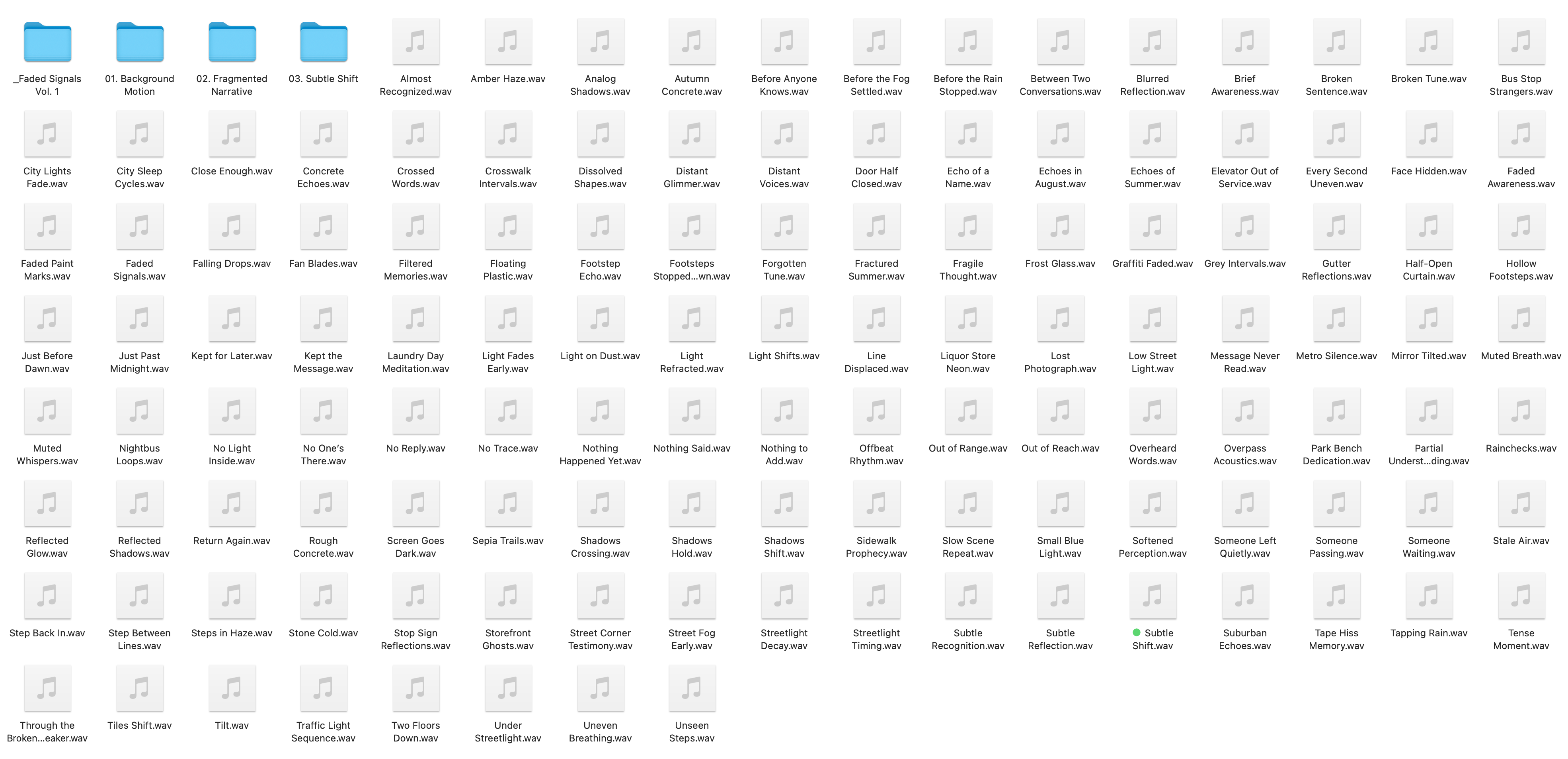
At one point the working folder contained almost 200 tracks. Most were forgettable. Some were decent. A smaller group felt strong enough to keep. Out of 178 generated tracks, 47 made it into the albums. The process was not elegant. It was repetitive and manual. Listening, skipping, comparing, discarding.
The machine generates abundance. It does not generate hierarchy. It cannot tell you which track deserves to exist beyond being statistically plausible. My role shifted from composer to curator. Selection, ordering, naming, and framing became the work. Even the artist name followed this pattern. Early suggestions leaned toward predictable clichés before Sunflower Bloom emerged as a viable option. The system produced volume. I imposed judgment.
When production becomes easy, taste becomes the constraint.
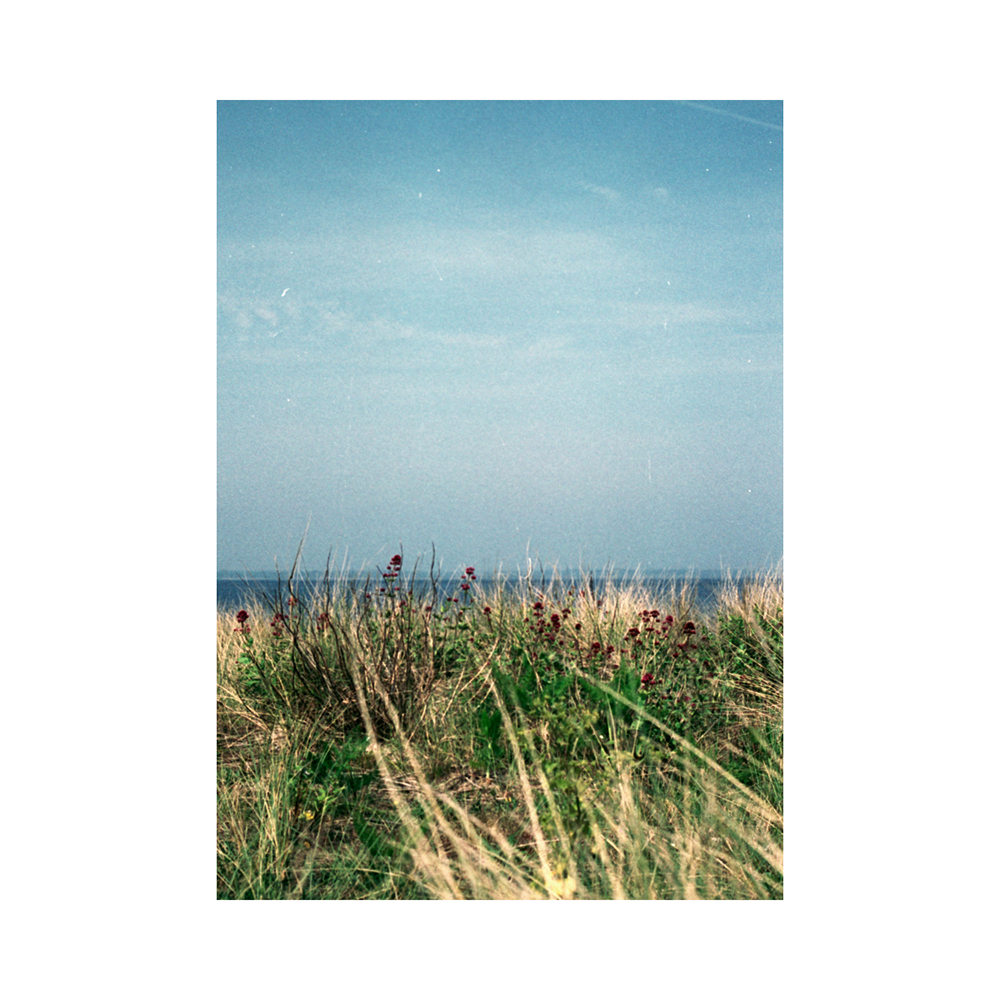
Sunflower Bloom is positioned strictly as an artist name. There is no logo, no extended identity system, no constructed mythology. Only the necessary touchpoints: album covers and thumbnails for streaming platforms. The visual approach is restrained, using simple grids, atmospheric photography, with minimal or no typography. The goal was functional coherence, not expressive expansion.

This subtraction was deliberate. The experiment was about music and distribution mechanics. Branding here operates as infrastructure. It supports the release but does not attempt to compensate for it.
Uploading through DistroKid is technically simple. The differences between aggregators are marginal and mostly expressed through upsells. Access is not the barrier. Attention is. The YouTube mix was designed as a discovery anchor with a clear condition: if it reached 10,000 views, I would scale production and involve a collaborator to increase output. It reached 28.
The category of long instrumental mixes for background work is saturated. There is too much similar content competing for the same use case. Whether the music is human-made or AI-assisted makes little difference. Without amplification, it remains invisible. Production is inexpensive. Distribution is accessible. Attention is scarce.
Financially, the return is negligible. As a learning exercise, the return is substantial. The experiment mapped the full lifecycle from generation to release and showed how quickly abundance turns into noise. It clarified how little organic growth can be expected in saturated categories and how quickly output must scale if profit is the goal.
AI will likely continue to compress technical barriers, including mixing and mastering. Making music will become easier. That does not remove the harder problem. The scarce resource is not sound. It is judgment.
Sunflower Bloom was not about becoming an AI artist. It was about testing what remains valuable when creation is automated. For now, the answer is clear: choose carefully, subtract aggressively, and understand the system you are operating in.
Three albums were selected from the experiment and released under the artist name Sunflower Bloom. They are available on Apple Music and Spotify.